Common Roof Flashing Problems That Lead to Water Damage
Finding experienced local contractors for roof flashing installation helps fix common roof flashing problems that lead to water damage and protect your home.
Homeowners and property owners in the area who have experienced or are concerned about water damage often find that understanding common roof flashing problems is a crucial step toward protecting their investment. Roof flashing acts as a barrier, guiding water away from vulnerable areas like chimneys, vents, and skylights, but when issues arise-such as improper installation, corrosion, or damaged sealants-they can lead to leaks and costly repairs. Recognizing these potential trouble spots can help property owners stay ahead of water infiltration, especially in climates prone to heavy rain or temperature fluctuations.
For those exploring options to maintain or improve their roof's integrity, connecting with experienced local contractors who specialize in roof flashing installation can make a significant difference. Proper installation and timely repairs are essential to prevent water damage and extend the lifespan of the roof. By understanding the common roof flashing problems that lead to water infiltration, property owners can make informed decisions and find the right service providers to address these issues effectively. Keep reading to learn more about how local experts can help safeguard your property from water-related concerns.
- Roof flashing installation - needed when existing flashing has failed or deteriorated, and local contractors can replace or repair it to prevent leaks.
- Roof flashing installation - required after noticing water stains or mold around roof intersections, with service providers ensuring proper sealing to avoid water intrusion.
- Roof flashing installation - essential when installing new roofing or remodeling, as local pros can properly position flashing to protect vulnerable areas.
- Roof flashing installation - necessary if flashing has been damaged by weather or debris, with local contractors restoring the integrity of roof joints and edges.
- Roof flashing installation - needed when inspecting or diagnosing leaks linked to common flashing problems, with service providers performing precise installation to mitigate water damage risks.
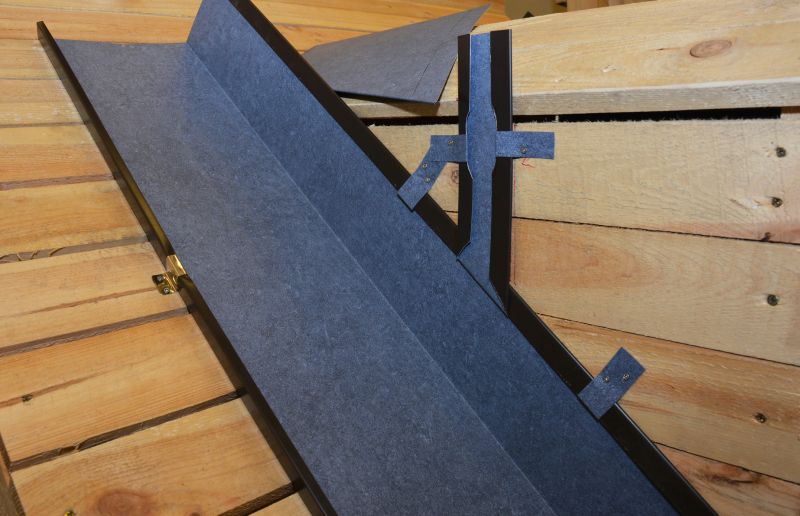
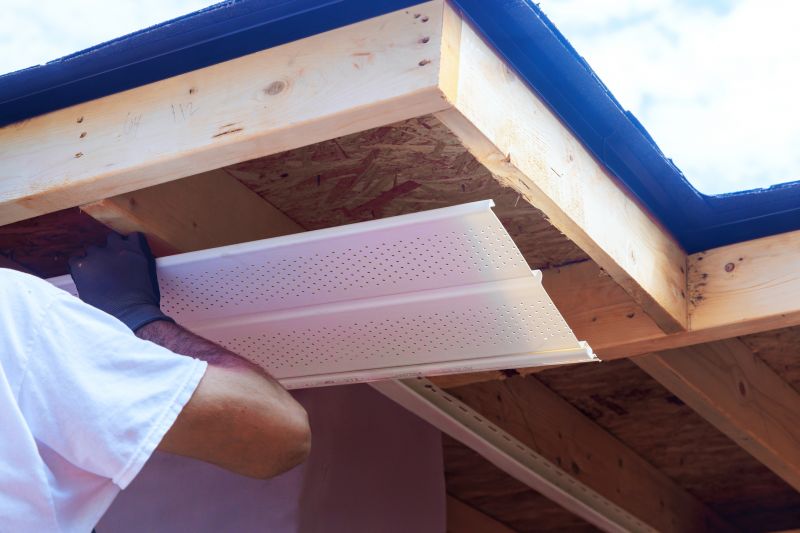
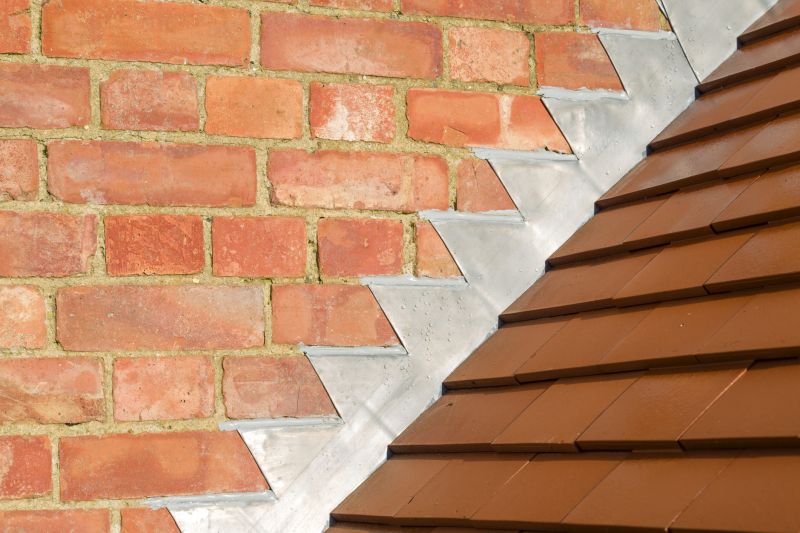
When homeowners search for information about common roof flashing problems that lead to water damage, they are typically concerned with issues that compromise the integrity of their roofing system. Roof flashing is a thin material, often metal, installed around areas where the roof intersects with other structures, such as chimneys, vents, skylights, and valleys. Proper flashing directs water away from these vulnerable points, preventing leaks. When flashing becomes damaged, improperly installed, or deteriorates over time, it can allow water to seep into the attic or interior spaces, causing damage to ceilings, walls, and insulation. Understanding these common problems helps homeowners recognize early warning signs and plan for repairs or replacements with the help of experienced local contractors.
The problems associated with roof flashing often relate to its installation, material quality, or aging process. Common issues include flashing that has come loose or detached due to high winds or poor fastening, corrosion or rust that weakens metal flashing, and cracks or gaps that develop over time. In some cases, flashing may have been improperly installed initially, with overlaps or sealant that fail to provide a watertight barrier. These issues create pathways for water to infiltrate, especially during heavy rain or snowmelt. Homeowners may notice water stains, mold growth, or damp spots on ceilings and walls, which can be signs of underlying flashing problems. Addressing these issues promptly with the assistance of local roof flashing installation professionals can prevent more extensive water damage.
Certain types of properties are more prone to experiencing issues with roof flashing. Residential homes with complex roof designs, such as those with multiple valleys, dormers, or chimneys, tend to have more flashing details that require careful installation and maintenance. Older homes with aging roofs are also at higher risk, as the flashing materials may have corroded or become brittle over time. Commercial buildings, especially those with flat roofs or extensive parapet walls, often rely heavily on properly installed flashing to prevent leaks. Regardless of property type, regular inspections by local contractors can help identify flashing problems early before they lead to costly water damage, ensuring the building remains protected against the elements.
Understanding common roof flashing problems that lead to water damage connects directly to real projects homeowners might undertake. When planning repairs or upgrades, it’s important to work with local service providers who specialize in roof flashing installation and maintenance. These professionals can assess existing flashing, identify vulnerabilities, and recommend appropriate solutions tailored to the specific property. Proper installation involves ensuring that flashing is correctly placed, sealed, and integrated with other roofing components. By partnering with experienced local contractors, homeowners can address flashing issues effectively, reducing the risk of leaks and water damage over time. This proactive approach helps maintain the roof’s durability and the overall safety of the property.
Roof repair projects - tasks involving fixing leaks or damaged roofing components often require similar skills and tools as installing or replacing roof flashing to prevent water intrusion.
Gutter installation and maintenance - proper gutter work involves planning and sealing techniques that are closely related to ensuring effective flashing to direct water away from the roof structure.
Chimney flashing replacement - replacing or repairing chimney flashing involves similar planning and sealing skills to address common roof flashing problems that lead to water damage.
Attic ventilation upgrades - improving attic airflow requires understanding of roof penetrations and flashing, which helps prevent moisture buildup and water leaks.
Siding installation projects - installing or repairing siding involves working around roof edges and flashing to ensure water stays out of the building envelope.
Skylight sealing services - sealing or replacing skylights involves similar waterproofing techniques and attention to flashing details to prevent water infiltration.
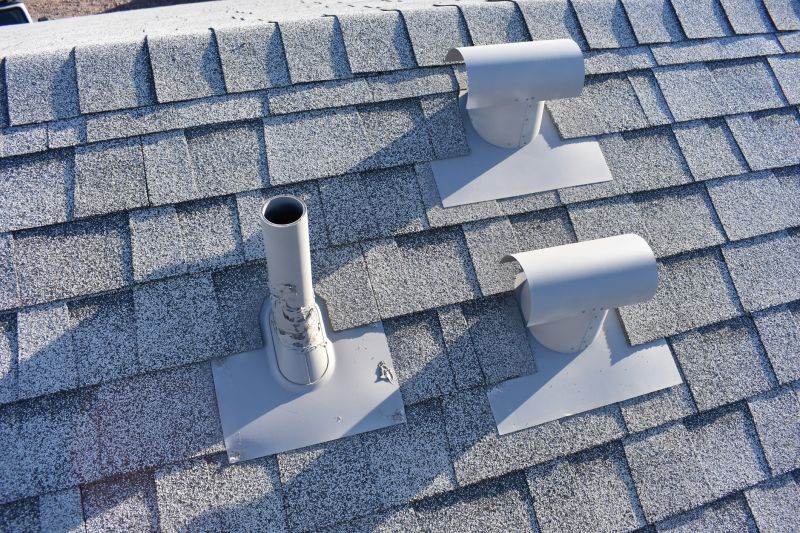
When evaluating service providers for roof flashing installation, it is important to consider their experience with similar projects. Homeowners should inquire about the types of roofs and flashing issues the contractors have handled in the past, especially those related to common roof flashing problems that lead to water damage. A contractor with a proven track record of successfully addressing these specific issues is more likely to deliver a durable and effective solution. Gathering information about their previous work can help ensure that the chosen service provider has the practical know-how necessary to prevent future water intrusion caused by faulty or improperly installed flashing.
Clear written expectations are essential to a smooth project. Homeowners should seek detailed proposals that outline the scope of work, materials to be used, and the steps involved in the installation process. This transparency helps prevent misunderstandings and ensures everyone is aligned on what the project entails. When comparing local contractors, asking for comprehensive descriptions of their approach to fixing common roof flashing problems can help determine if they prioritize thoroughness and quality. Well-defined expectations also provide a basis for evaluating whether a contractor’s methods align with best practices for long-term protection against water damage.
Reputable references and good communication are key indicators of a trustworthy service provider. Homeowners are encouraged to ask for references from previous clients who had similar flashing issues resolved. Speaking with past customers can provide insights into the contractor’s reliability, work quality, and how well they communicated throughout the project. Additionally, choosing a contractor who demonstrates clear, prompt, and professional communication can make the entire process more manageable. Effective communication ensures that questions are answered, concerns are addressed, and the homeowner remains informed about progress, all of which contribute to a successful roof flashing installation that effectively mitigates common problems leading to water damage.
Property owners often search for common roof flashing problems that lead to water damage when they are planning practical projects around their homes and businesses. Local pros provide Roof Flashing Installation services for everyday jobs and straightforward project options.
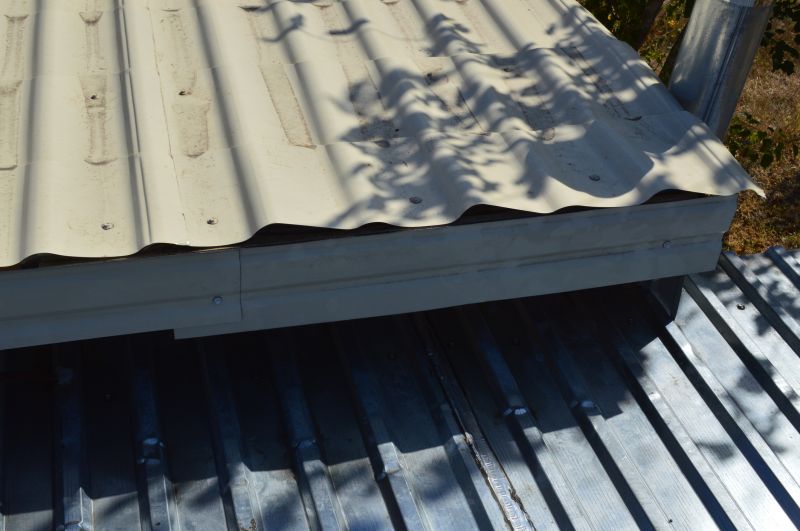
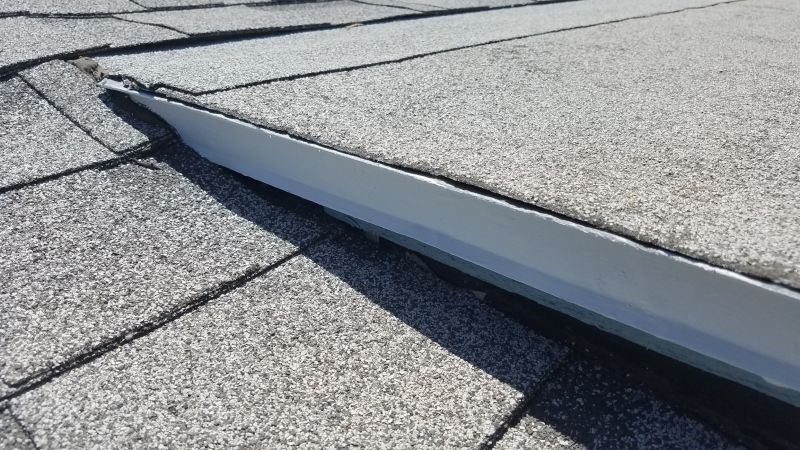
Property owners in the area often look up information about common roof flashing problems that lead to water damage because they notice leaks or water stains after heavy rain or snow. These issues can happen when flashing becomes cracked, loose, or improperly installed, allowing water to seep into the roof structure and cause damage over time. Simple maintenance or repairs by local contractors experienced in roof flashing installation can help prevent these problems from worsening, saving homeowners from costly repairs later on.
Many residents seek out guidance on roof flashing installation services when they see signs of deterioration or suspect that their flashing isn't performing correctly. Faulty or aging flashing can create vulnerabilities at roof joints, around chimneys, or along skylights, increasing the risk of leaks. Connecting with local service providers who specialize in roof flashing installation can ensure that these critical areas are properly sealed and protected, helping to keep water out and maintain the integrity of the roof.
What are common roof flashing problems that lead to water damage? Common issues include improper installation, gaps, rust, or damaged flashing materials, which can allow water to seep into the roof structure. Local contractors experienced in roof flashing installation can identify and fix these problems to prevent water intrusion.
How does improper flashing installation cause water leaks? When flashing is installed incorrectly or not sealed properly, it creates pathways for water to penetrate the roof. Professional roof flashing services ensure proper installation and sealing to keep water out.
Can rust or damage to flashing lead to water damage? Yes, rusted or damaged flashing can develop holes or cracks, compromising its ability to direct water away from vulnerable areas. Local service providers can replace or repair damaged flashing to maintain a waterproof barrier.
Why is flashing maintenance important for preventing water damage? Regular maintenance helps identify and address issues like corrosion, gaps, or loose flashing before they cause leaks. Experienced contractors can perform inspections and necessary repairs to protect the roof.
What signs indicate that roof flashing may need repair or replacement? Signs include water stains on ceilings or walls, visible rust or corrosion, cracked or loose flashing, and mold growth. Contacting local pros for inspection and proper flashing installation can help resolve these issues.
Identify and repair damaged flashing - property owners can spot signs of damaged flashing around vents and chimneys and have local contractors handle repairs to prevent water intrusion.
Ensure proper flashing installation - during roof upgrades or new construction, consulting local pros can help ensure flashing is correctly installed to avoid future leaks.
Seal gaps and joints in flashing - regular inspections can reveal gaps or loose joints that need sealing, which local service providers can address to maintain a watertight roof.
Replace old or corroded flashing - aging or corroded flashing should be replaced promptly, and local contractors can provide expert installation to prevent water damage.
If you are thinking about common roof flashing problems that lead to water damage for a property, this guide is meant to help you understand this topic, the typical project types, and how different options might fit your plans.
When you are ready, you can use the quote form on this page to share a few details about your project. From there, local pros can review the basics and follow up with options that match what you have in mind.